
When Antimicrobial Wall Panels Make Sense in High-Touch Medical Areas
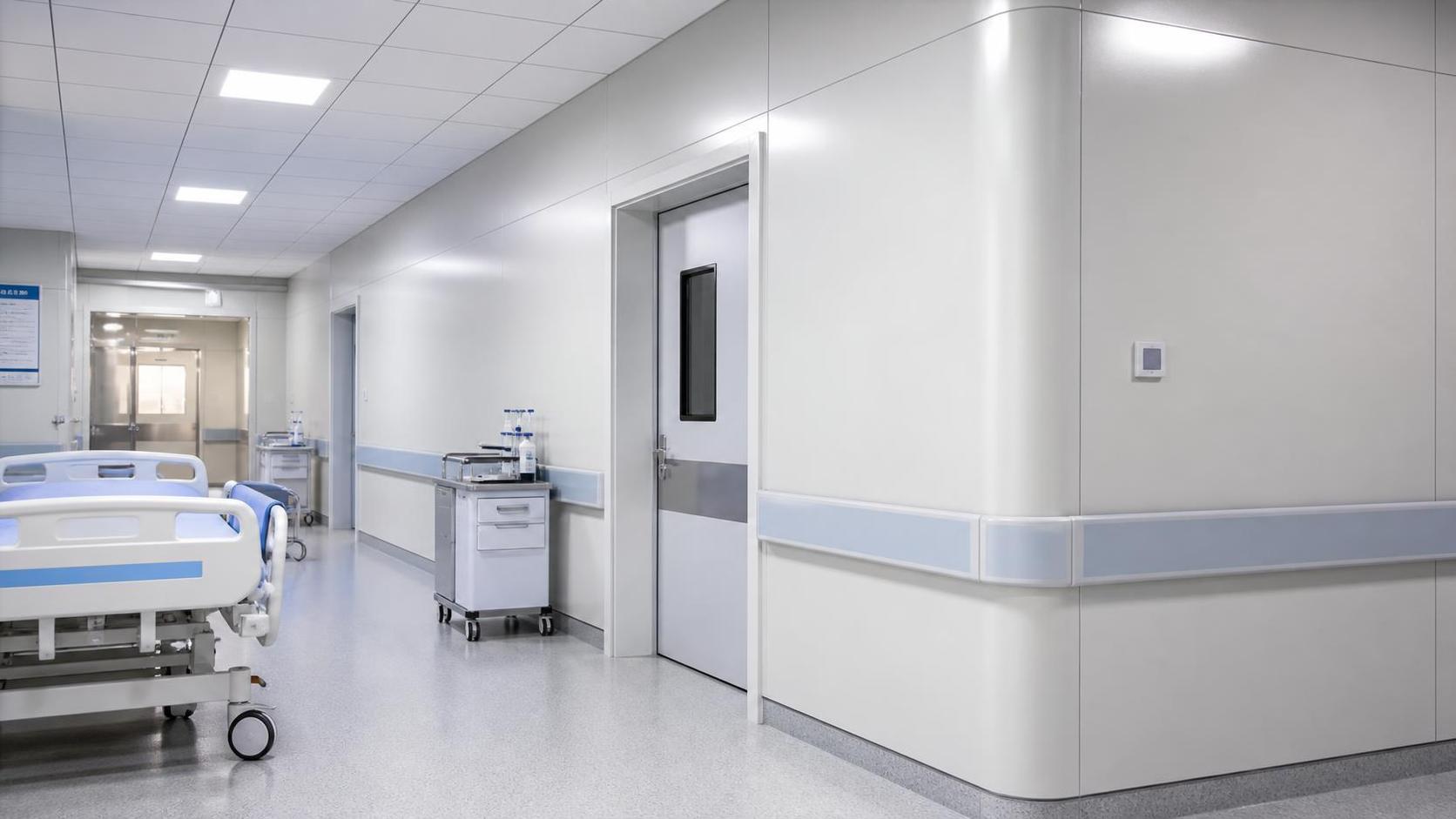
In high-touch clinical spaces, wall surfaces stop being a background material very quickly. They get hit by carts, wiped dozens of times a day, brushed by beds, exposed to disinfectants, and touched by gloved and ungloved hands moving fast. That is where Antimicrobial Wall Panels can make practical sense. Not everywhere in a hospital, and not just because the product name sounds reassuring. They are worth considering when hygiene performance, cleanability, impact resistance, and maintenance control need to work together under constant traffic.
For quality control teams and safety managers, the useful question is not “Are antimicrobial panels good?” It is narrower: In which rooms do they solve an actual operational problem better than painted wall systems, basic cladding, or standard decorative finishes? That decision usually becomes clear once you review cleaning frequency, contact intensity, joint detailing, downtime risk, and the consequences of surface failure.
Start with the rooms that lose surface integrity fastest
A lot of wall finish decisions are made too early, before anyone maps how the area is actually used. In practice, antimicrobial wall systems tend to make the most sense in medical areas where the wall is part of infection control, not just architecture.
- Operating theatres and procedure rooms with strict cleaning routines and controlled environmental requirements
- ICU zones, isolation rooms, and emergency treatment areas where turnover is high and contamination risk is not theoretical
- Clean corridors serving sterile or semi-sterile workflows
- Dialysis, treatment, prep, and recovery spaces where repeated wipe-downs wear ordinary finishes quickly
- Imaging and specialty rooms when hygiene requirements must coexist with airtight doors, shielding works, or other integrated medical construction details
If the area is low contact, low moisture, and cleaned like a normal administrative corridor, antimicrobial panels may be unnecessary. That is the first filter. Over-specifying every wall surface adds cost without improving control where the risk profile is mild.
Check whether your current wall finish is failing in one of four predictable ways
The best justification usually comes from failure patterns already visible on site. Walk the area with infection control, housekeeping, and maintenance together. You are looking for evidence, not assumptions.
- Coating breakdown: peeling paint, softening after chemical exposure, staining around hand contact zones, or scrub marks that never fully recover.
- Joint and corner damage: cracked sealant, chipped edges, exposed substrate, or gaps where dirt and moisture collect.
- Impact wear: frequent trolley strikes, bed-frame contact, and service equipment abrasion causing dents or broken finish layers.
- Cleaning inefficiency: surfaces that look intact at handover but become hard to clean after a year of service because texture, seams, or repair patches trap residue.
If none of those are happening, antimicrobial wall panels may still be an option, but they are not automatically the right one. If two or more are already recurring, the discussion moves from “material preference” to “risk reduction.”
Do not judge the panel by the antimicrobial claim alone
This is where buyers sometimes get distracted. A wall panel in a medical environment is never selected on one feature. Even if the antimicrobial function is relevant, the panel still has to survive the real cleaning regime and the real construction conditions.
A useful review checklist includes:
- Whether the face is smooth enough for routine disinfection without becoming a scratch magnet
- How corners, trims, penetrations, and transitions are detailed
- Whether the system supports hygienic sealing around doors, observation windows, service boxes, and wall protection elements
- How it behaves under repeated exposure to the chemicals your site actually uses, not a generic cleaning list
- Whether damaged sections can be repaired without contaminating adjacent areas or creating patchwork weak points
A panel can perform well in a brochure and still create headaches if the joints are awkward, the accessories are inconsistent, or the cleaning team needs special handling that will never be followed in daily operations.
Review the cleaning protocol before you review the sample board
In high-touch medical areas, the cleaning method usually decides whether a wall system will last. Ask for the actual disinfectants, dilution practices, wipe frequency, contact time expectations, and any periodic deep-cleaning procedures. Quality teams often know the approved chemicals; housekeeping knows what is really used on the shift.
This matters because the wall system has to tolerate the real routine, including rushed wiping, repeated moisture exposure around corners, and human inconsistency. A finish that performs only when chemicals are used perfectly is a poor fit for a pressured clinical environment.
One common mistake is selecting a hygienic panel but leaving surrounding details unchanged. If the wall panel is robust but the sealant, trim, or backing detail degrades first, the weak point simply moves. That is not a panel failure in the narrow sense, but it is still a system failure from an infection control standpoint.
Pay close attention to seams, edges, and wall-to-door transitions
Most hygiene problems do not begin in the middle of the panel. They begin where different components meet. In medical fit-outs, that includes panel joints, internal and external corners, service penetrations, and the interface with medical airtight doors or other controlled-access assemblies.
When you assess whether Antimicrobial Wall Panels make sense, evaluate the full wall line, not just the face material. Ask these practical questions:
If those details are not coordinated early, even a premium panel system can underperform.
Match the panel decision to the room’s control strategy
In some healthcare projects, wall panel selection is treated as a standalone finish package. That usually leads to rework. In reality, wall systems in high-touch medical areas should be reviewed alongside airflow planning, pressure zoning, door performance, and maintenance access. The wall does not operate by itself.
For example, if a room depends on controlled access and pressure separation, the transition between the panel system and the door set matters as much as the panel face. If the room has frequent equipment movement, impact resistance may matter more than the antimicrobial feature alone. If it is a sterile support room with aggressive cleaning but light traffic, chemical resistance and seam detailing may carry more weight.
That is why experienced hospital contractors tend to look at the room as a coordinated enclosure: wall finish, airtight openings, hygienic detailing, installation method, and post-install inspection all affect the result.
Ask for documents that help you judge the system, not just the sales sheet
For QC and safety teams, paper review is part of the job. But not every document is equally useful. The point is to verify that the proposed system matches the intended use and can be installed without creating hidden hygiene defects.
- Product data identifying the panel construction and intended application
- Installation drawings or detail sections for joints, corners, penetrations, and door interfaces
- Cleaning and maintenance guidance tied to the actual surface finish
- Inspection and handover criteria showing what a completed hygienic installation should look like
Notice what is missing from that list: vague marketing language. If the supplier cannot show how the system is built, joined, finished, and maintained, the evaluation is still incomplete.
Do a short risk screen before approval
Before signing off, run through a simple approval screen:
- Is the room truly high touch, high cleaning, or contamination sensitive?
- Has the existing wall finish shown wear, staining, seam failure, or repair burden?
- Will the proposed panel system reduce cleaning difficulty or maintenance downtime in a measurable operational sense?
- Are corners, penetrations, and door transitions resolved in detail, not left for site improvisation?
- Can the installation be completed and inspected without compromising adjacent sterile or controlled areas?
If the answer is weak on those points, you probably do not have a panel problem yet. You have a scope-definition problem.
Where these panels usually earn their keep
Antimicrobial Wall Panels generally make sense when the wall surface is expected to stay hygienic and serviceable under repeated cleaning, frequent touch, and hard daily use. They are especially worth serious review where painted systems fail too often, where damaged finishes create contamination traps, or where wall maintenance creates unacceptable disruption to clinical operations.
The right way to decide is straightforward. Start with the room use. Check the cleaning regime. Inspect the failure points. Review the joint and door details. Then approve the panel system only if it improves the full enclosure, not just the appearance of one wall surface. That sequence usually leads to a much cleaner decision, and in medical environments, cleaner decisions tend to hold up better than fashionable ones.
Please give us a message